
Foods That Can Help Put Type 2 Diabetes Into Remission

My mother has Type 2 Diabetes. She is 71 years old and has been using finger prick testing for about the last decade or so. I have had early minor symptoms of prediabetes which happened maybe once or twice in my life but luckily enough, hasn’t happened again. My mother has been a sugary food eater for a long time, but most recently, I kid you not, she self controlled her cravings for sugar intake and had a strong willpower to stop her temptations of binge eating sugary foods and desserts.
Medical Disclaimer: This article is for general information only and is not medical advice. Type 2 diabetes is a serious condition. Never stop or change your medication or treatment plan based on something you read here. Talk to your doctor or a registered dietitian before making significant changes to your diet, especially if you take glucose-lowering medication, because dietary changes can shift your blood sugar and your medication needs.
What “Remission” Really Means (It’s Not a Cure)
Before we talk about a single food, let’s get the most important word in this article right. When doctors say type 2 diabetes has gone away, they say “remission” — not “cure.” Remission means blood sugar stays below the diabetes range without glucose-lowering medication. The underlying tendency toward diabetes does not disappear, which is why people in remission still need regular checkups and blood sugar monitoring.
So when people ask whether food can “reverse” type 2 diabetes, here is the honest translation of that question: can what you eat help bring blood sugar down into the non-diabetic range and keep it there without medication? For some people, the answer is yes — and the rest of this article explains how, along with the limits you should know about.
The Biggest Lever: Weight Loss
If one factor matters more than any single superfood, it is body weight. Carrying extra weight, especially around the belly, makes your cells less responsive to insulin — and that sluggish response is the core problem in type 2 diabetes. Lose a meaningful amount of that weight, and insulin often starts working properly again.
This is not just theory. In the well-known DiRECT trial, remission was strongly linked to substantial weight loss — roughly 10–15 kg in that study. The participants who lost the most weight were the most likely to see their blood sugar return to the non-diabetic range without medication.
That is why every food below should pass a simple test: does it help you eat in a way that steadily brings weight down and keeps blood sugar stable? The foods that pass are the ones worth building your meals around.
The Foods That Help, and Why
No single food melts diabetes away. But certain foods make blood sugar easier to manage and weight loss easier to sustain — and that combination is what remission is built on. Here is what earns a regular place on the plate, with the plain-language reason each one helps. For a broader list with serving ideas, see our guide to the best foods to control blood sugar for diabetics.
Leafy Greens
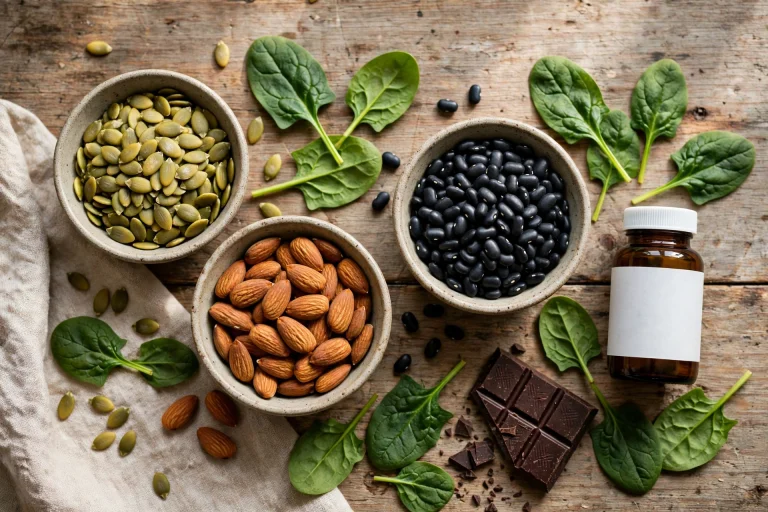
Spinach, kale, collard greens, and Swiss chard are very low in digestible carbohydrate, high in fiber, and rich in magnesium — a mineral involved in how your body responds to insulin. Because they are so low in calories, generous portions fill you up without pushing your blood sugar or your weight in the wrong direction.
Legumes
Lentils, chickpeas, black beans, and kidney beans combine fiber and plant protein the way few foods can. That combination slows digestion, so their carbohydrate enters your bloodstream gradually instead of arriving all at once. They are also deeply filling, which supports the steady, sustainable eating that lasting weight loss requires.
Fatty Fish
Salmon, sardines, mackerel, and tuna provide protein and omega-3 fats. Protein slows a meal’s digestion and keeps you full, while omega-3s are associated with lower levels of the chronic, low-grade inflammation that makes insulin resistance worse. Trading a serving of refined carbs for fish is one of the simplest upgrades a meal can get.
Berries
Blueberries, strawberries, and raspberries taste sweet but carry far less sugar than most fruits, plus fiber that slows its absorption. Their deep colors come from natural plant compounds called anthocyanins, which researchers are studying for their relationship to insulin sensitivity. They are the easiest way to satisfy a sweet craving without the spike.
Nuts and Seeds
Almonds, walnuts, chia seeds, and flaxseeds pack healthy fats, fiber, and magnesium into a small package. A small handful with or before a meal slows digestion, glucose release, and the return of hunger. Portion awareness matters, since the calories add up quickly — but as part of a meal, they steady blood sugar rather than spiking it.
Whole Grains
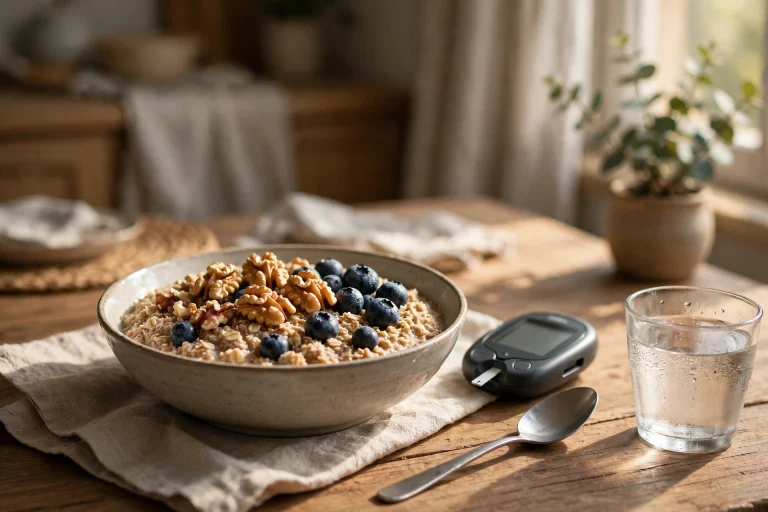
Oats, quinoa, and brown rice still contain carbohydrate, but their intact fiber means it is broken down slowly. Compared with refined grains — white bread, white rice, pastries — they produce a gentler, longer-lasting rise in blood sugar and keep you full for hours. Keep portions reasonable; “whole grain” is not a license for unlimited servings.
Avocado
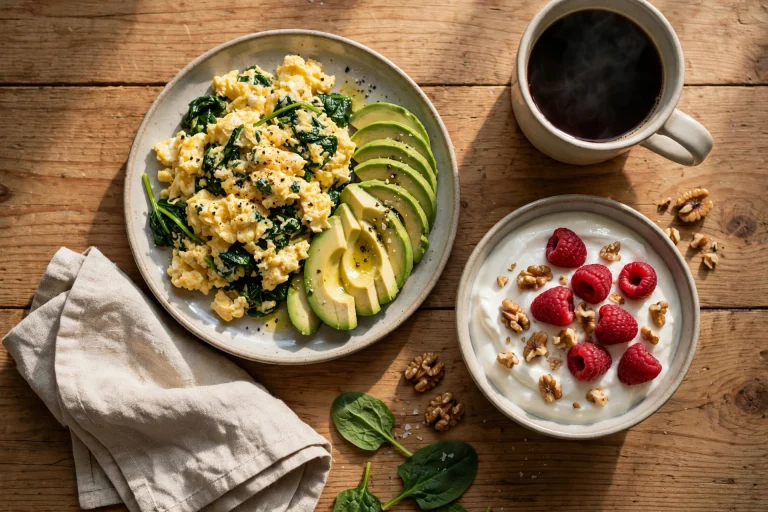
Avocado is rich in monounsaturated fat and fiber, a combination that slows digestion and softens the blood sugar impact of whatever you eat it with. Sliced onto a salad or spread on whole-grain toast, it gives a meal staying power — the kind that keeps you from reaching for a sugary snack an hour later.
Two Popular Ones to Be Careful With
Some natural options get talked about as if they were prescriptions. Two of the most hyped deserve an honest look.
Cinnamon
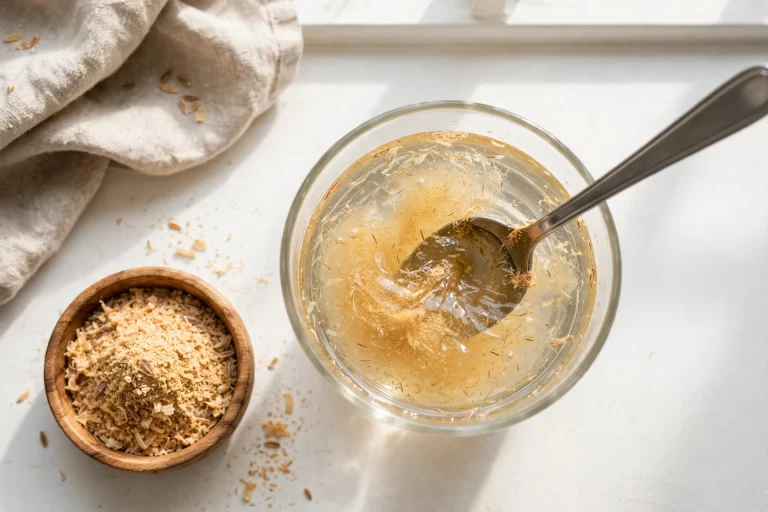
Cinnamon is often described as a blood sugar remedy, but the evidence is mixed and modest at best. Some small trials found slight improvements in fasting blood sugar; others found nothing at all, and results vary with the type of cinnamon used. A sprinkle in your oatmeal is harmless and adds flavor without sugar — but cinnamon is not a treatment, and it cannot do the work of diet, weight loss, and medication.
Apple Cider Vinegar
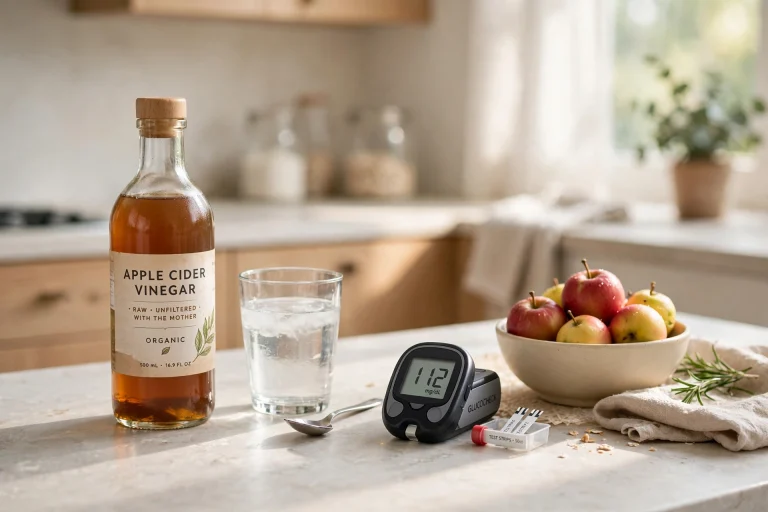
Apple cider vinegar has a devoted following, but the science is thin: a few small, short-term studies have hinted at slightly lower post-meal blood sugar when vinegar is taken with meals. That is a long way from a prescription, and this article gives no dosing instructions on purpose. Vinegar is acidic enough to erode tooth enamel and irritate the stomach, and it can interact with diabetes medications and lower potassium to risky levels. If you are tempted to try it, talk to your doctor first.
Foods and Drinks That Work Against You
You cannot out-eat a diet that is working against you. The main offenders: sugary drinks — soda, sweetened juice, energy drinks — which deliver a flood of fast sugar with no fiber to slow it down; refined carbohydrates like white bread, pastries, and most breakfast cereals, which behave in your body much like sugar itself; deep-fried foods and highly processed snacks, whose calorie density makes weight loss far harder; and alcohol, which can swing blood sugar unpredictably while adding empty calories. You do not need perfection — but every one of these you cut back is a direct win for your readings.
How to Build a Plate From This
Knowing the foods is one thing; assembling them is another. A simple template: fill half your plate with non-starchy vegetables (those leafy greens and then some), a quarter with protein such as fish, legumes, eggs, or poultry, and a quarter with high-fiber carbohydrates like whole grains or more legumes — plus a thumb-sized portion of healthy fat such as avocado, nuts, or olive oil.
The order you eat in may matter too. Early research suggests that eating vegetables and protein before the starchy part of a meal leads to a gentler blood sugar rise than eating the carbs first — a low-effort habit worth trying. And food is only half the equation: gentle movement after meals helps your muscles soak up glucose directly. Our guide to the best exercises for diabetics to lower blood sugar at home shows where to start safely.
Frequently Asked Questions
Can food alone reverse diabetes?
For some people, yes — with the remission definition above firmly in mind. People who lose substantial weight through sustained dietary change sometimes see their blood sugar return to the non-diabetic range without medication. But it is not guaranteed, it is not quick, and it is not a cure: the underlying tendency remains, and ongoing monitoring is essential. Think of food as the most powerful tool you control, not a promise.
How soon will my blood sugar respond to eating better?
Post-meal readings can start improving within days of cutting sugary drinks and refined carbs. But HbA1c — the three-month average your doctor tracks — moves slowly by design. Give any change at least three months of consistency before judging it.
Do I have to give up carbohydrates completely?
No — and you should not try to without medical supervision, especially if you take medication. The goal is better carbohydrates in sensible portions: legumes, whole grains, and fiber-rich vegetables instead of refined starches and sugar. Very low-carb approaches can work for some people, but they carry their own risks and deserve a doctor’s or dietitian’s guidance.
What about supplements like berberine?
Berberine is one of the most talked-about natural supplements for blood sugar, and the early research is interesting — but it is still early, product quality varies widely, and it can interact with medications. We have broken down the honest state of the evidence in our guide to berberine for diabetes. Treat any supplement with the same caution as a drug: discuss it with your doctor first.
The Bottom Line
Food can be a genuine path toward type 2 diabetes remission — not through any single miracle ingredient, but through a pattern of eating that steadies blood sugar and brings weight down: vegetables, legumes, fish, berries, nuts, whole grains, and avocado, with sugary drinks and refined carbs mostly out of the picture. Pair that pattern with daily movement, keep your medical team in the loop, and give it time. My mother’s story is a reminder of the part no article can give you: the willpower to start, and to keep going.
One Comment