Berberine for Diabetes: What the Research Actually Says
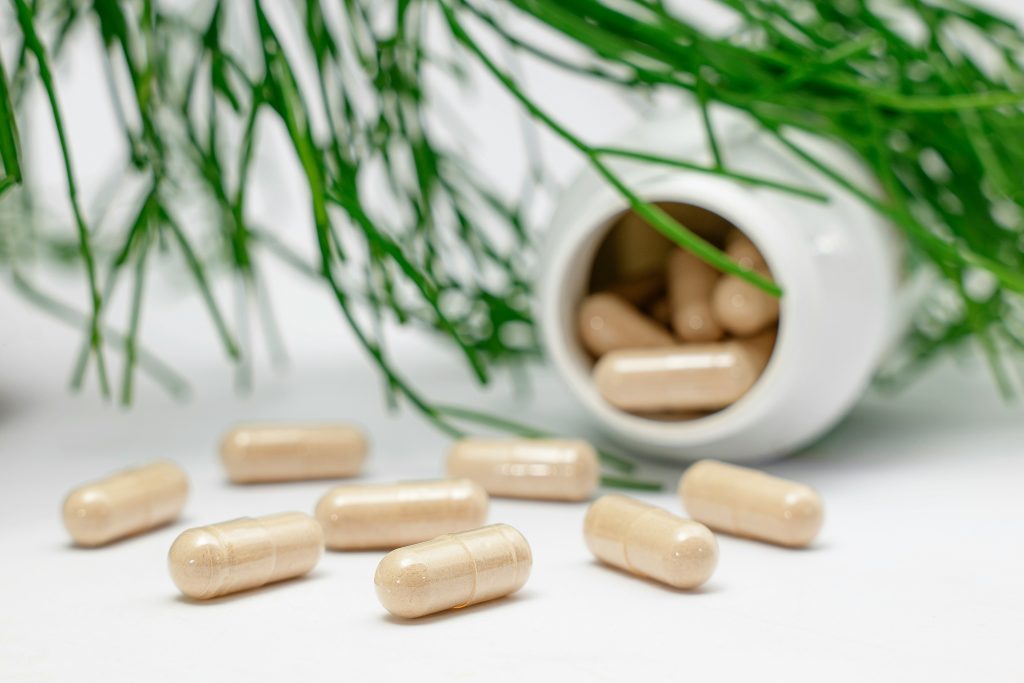
If you’ve spent any time on TikTok or Instagram lately, you may have come across berberine being called “nature’s Ozempic” — a plant compound promising blood sugar and weight benefits without a prescription. It sounds almost too trendy to be real. But unlike most viral supplement claims, berberine actually has decades of legitimate research behind it, some of it dating back centuries before social media ever existed.
Here’s what the science actually shows, how it works, and what to know before considering it.
What Is Berberine?
Berberine is a yellow-colored plant compound found in barberry, goldenseal, and Oregon grape, among other plants. It’s not a new discovery — traditional healers in India and China have used it for over 2,000 years to treat digestive issues, infections, and blood sugar problems. What’s new is the modern research validating many of those traditional uses, along with the recent wave of social media attention bringing it to a much wider audience.
How Berberine Works in the Body
Research points to several distinct mechanisms behind berberine’s effect on blood sugar:
It activates AMPK, often described as the body’s “metabolic master switch.” This enzyme plays a central role in how your cells process glucose and fat.
It improves insulin sensitivity, helping muscle and tissue cells absorb glucose from the bloodstream more effectively — similar in effect, though not mechanism, to how some prescription diabetes medications work.
It reduces glucose production in the liver by inhibiting a process called gluconeogenesis, which is when your liver manufactures new glucose and releases it into your blood.
It slows carbohydrate digestion in the gut, acting somewhat like an alpha-glucosidase inhibitor to blunt the size of blood sugar spikes after meals.
What the Research Actually Shows
This is where berberine stands apart from most trending supplements: it has real clinical research behind it, not just anecdote. A notable pilot study published through the National Institutes of Health found berberine significantly decreased HbA1c levels in diabetic patients, with effects comparable to standard oral diabetes medications in that trial. Other research has shown berberine may lower fasting and long-term blood sugar levels by a meaningful margin when taken consistently.
That said, it’s worth being precise about what “comparable to metformin” actually means here: it refers to specific outcome measures in individual studies, not a blanket claim that berberine replaces prescription treatment for everyone. The research is genuinely promising, but it’s not the same evidentiary bar as decades of large-scale pharmaceutical trials.
Dosage and Timing
Most studies use a split-dosing approach — typically 2-3 smaller doses spread across the day, totaling somewhere in the 900-1,500 mg range daily, rather than one large dose. This is largely because berberine has a short half-life in the body, meaning its effects wear off relatively quickly if taken all at once.
Taking it with or shortly after a meal containing some healthy fat is commonly recommended, both to improve absorption and to reduce the chance of stomach upset.
Side Effects and Who Should Be Cautious
Berberine is generally well tolerated, but it isn’t free of downsides:
Gastrointestinal issues are the most common complaint — cramping, diarrhea, gas, and constipation have all been reported, particularly when starting out or at higher doses.
Hypoglycemia risk is a real consideration if you’re already taking prescription blood-sugar-lowering medication. Combining the two can push blood sugar down further than intended, so this combination should only be done under medical supervision.
Liver enzyme interactions are worth knowing about — berberine inhibits certain liver enzymes (specifically cytochrome P450 pathways), which can change how your body processes other medications you may be taking.
Given these interactions, talking to your doctor before starting berberine is genuinely important, especially if you’re currently on any diabetes medication, not just a good-practice disclaimer.
Where a Formulated Supplement Can Help
One practical challenge with berberine on its own is dosing consistency and absorption — getting the split-dosing, timing, and amount right day after day takes real discipline, and quality can vary significantly between raw supplement brands. This is part of why many people look toward a formulated blood-sugar-support supplement rather than sourcing and dosing a single compound themselves.
Gluco6 is built as a comprehensive blood-sugar-support formula, designed to make consistent daily support simpler than juggling multiple individual compounds and their specific timing requirements on your own.
Frequently Asked Questions
Is berberine safer than metformin? Not necessarily safer — it has its own set of side effects and drug interactions, particularly around liver enzyme processing and hypoglycemia risk when combined with other diabetes medications. It’s better understood as a different option with its own research base, not an automatically safer alternative.
How long does it take berberine to lower A1C? Most clinical studies showing meaningful A1C reductions ran for 8-12 weeks or longer of consistent use. It’s not a fast-acting intervention, and results typically build gradually with regular use.
What should I avoid while taking berberine? Avoid combining it with other blood-sugar-lowering medications without medical guidance, due to hypoglycemia risk. It’s also worth discussing with your doctor if you take any medication metabolized by the liver, given berberine’s effect on certain liver enzymes.
How often should I take berberine for diabetes? Most research protocols use 2-3 smaller doses throughout the day rather than one large dose, largely due to berberine’s short half-life in the body.
The Bottom Line
Berberine is one of the rare trending supplements that actually holds up reasonably well under real research scrutiny — genuine clinical studies, a clear mechanism of action, and centuries of traditional use behind it. It’s not a replacement for medical care or existing prescriptions without your doctor’s involvement, but it’s a legitimate option worth understanding rather than dismissing as just another social media fad.