
Late Night Snacks for Diabetics: 7 Options for Stable Overnight Blood Sugar
This article contains affiliate links. If you buy through them, I may earn a commission at no extra cost to you.
If you’ve ever woken up with unexpectedly high blood sugar despite eating well the day before, the culprit might not be what you ate — it might be what you didn’t eat before bed.
For many people with Type 2 diabetes, the hours between dinner and breakfast are when blood sugar does the most unpredictable things. Understanding why, and choosing the right bedtime snack, can make a real difference in your morning readings.
Why Blood Sugar Swings Overnight
There are two main reasons blood sugar shifts while you sleep, and knowing which one affects you can help you choose the right approach.
The Dawn Phenomenon happens to almost everyone, with or without diabetes. Between roughly 3:00 a.m. and 8:00 a.m., your body naturally releases hormones that help you wake up — but these same hormones also trigger your liver to release stored glucose, causing blood sugar to rise before you’ve eaten anything.
The Somogyi Effect is different — it’s a rebound response. If your blood sugar drops too low overnight (often from taking insulin or certain medications without enough food to balance it), your body releases stress hormones to correct the low, which can overshoot and leave you with high blood sugar by morning. This is why a low reading at 3 a.m. can sometimes lead to a surprisingly high reading by 7 a.m.
The right bedtime snack can help smooth out both of these patterns — but it needs to be balanced correctly.
What Makes a Good Bedtime Snack
The consistent theme across diabetes nutrition research is that the best bedtime snacks combine protein, fiber, and a small amount of healthy fat, while staying low in refined carbohydrates. This combination digests slowly, which helps prevent the sharp spike-then-crash pattern that a sugary or high-carb snack would cause right before hours of inactivity.
Most healthcare providers recommend keeping bedtime snacks in the 10-15 gram carbohydrate range, paired with a protein source.
7 Best Bedtime Snacks for Stable Blood Sugar
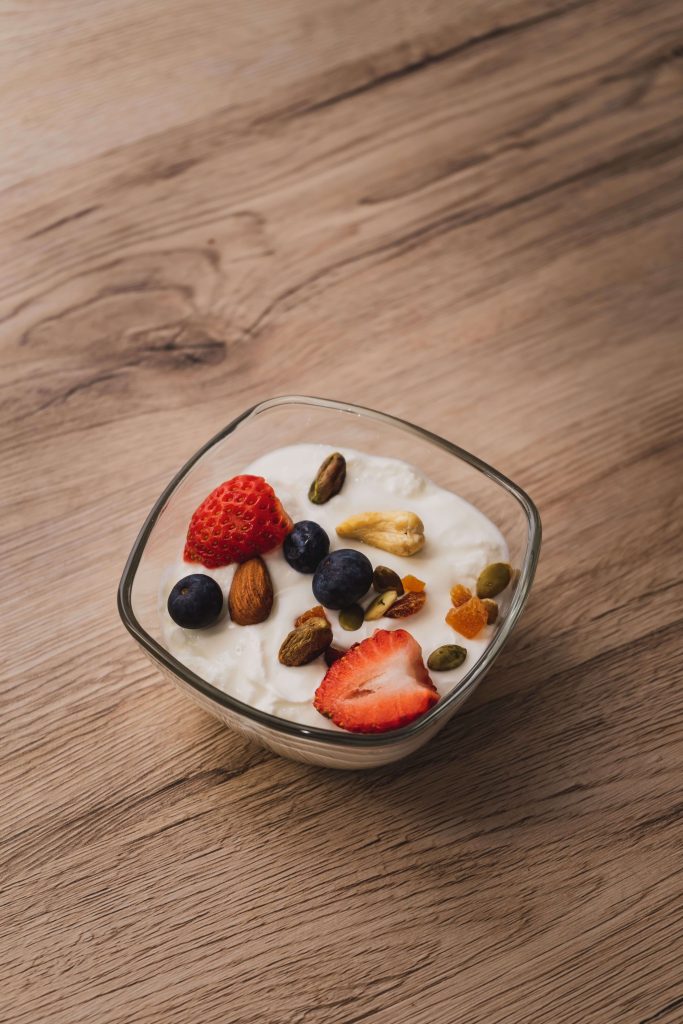
1. Greek Yogurt with a Few Berries
Plain Greek yogurt has roughly double the protein and half the carbs of regular yogurt. A small handful of berries adds fiber and antioxidants without a significant sugar impact.
2. A Small Handful of Nuts
Almonds, walnuts, or pistachios provide protein, fiber, and healthy fats in a compact, portion-controlled package. Stick to about a quarter cup to keep calories in check.
3. Hard-Boiled Egg
Nearly zero carbohydrates and a solid dose of protein make this one of the simplest, most blood-sugar-friendly bedtime options available.
4. Peanut Butter on Whole Grain Crackers
A small amount of natural peanut butter (no added sugar) on 2-3 whole grain crackers hits the protein-fiber-fat combination well, and it’s genuinely satisfying if you’re craving something more substantial.
5. Cottage Cheese with Cinnamon
Cottage cheese is high in protein and low in carbs on its own. A sprinkle of cinnamon adds flavor without any blood sugar cost, and some research suggests cinnamon itself may offer a mild blood-sugar benefit.
6. String Cheese with a Few Whole Grain Crackers
An easy grab-and-go option that still hits the protein-plus-complex-carb formula that works well for overnight stability.
7. Turkey Roll-Ups
A few slices of turkey (or another lean deli meat) rolled up on their own or with a small amount of cheese provides pure protein with essentially no carbohydrate impact.
A Note for Gestational Diabetes
If you’re managing gestational diabetes, bedtime snacks matter for a slightly different reason — preventing overnight ketone production from too many hours without eating. The same protein-plus-complex-carb combination above generally applies, but portion needs and targets can differ during pregnancy, so it’s worth confirming your specific approach with your OB or diabetes educator.
Can a Bedtime Snack Fix Morning Highs?
It can help — but only for one of the two reasons mornings run high. When blood sugar dips overnight, the body can overcorrect and flood the bloodstream with glucose by morning (the Somogyi effect); a protein-rich bedtime snack helps prevent that dip in the first place.
The other cause is the dawn phenomenon: between roughly 3 and 8 a.m., hormones like cortisol signal your liver to release stored glucose, and no snack the night before changes that. If you’ve tried snacking and your mornings are still high, the answer probably isn’t in your kitchen — it’s in what’s happening overnight.
Understanding which pattern is yours is also something worth bringing to your doctor, since the fixes are different.
Frequently Asked Questions
What snacks can diabetics eat at night without spiking blood sugar?
The safest pattern is protein plus fiber with a small amount of healthy fat — and roughly 10–15 grams of carbs. Think a small apple with peanut butter, Greek yogurt with a few nuts, or whole-grain crackers with cheese. The protein and fat slow digestion so the carbs enter your bloodstream gradually instead of spiking it.
Does a bedtime snack prevent morning high blood sugar?
Sometimes — it depends on why your mornings run high. If the cause is an overnight dip followed by a rebound (the Somogyi effect), a balanced snack can help smooth it out. But if it’s the dawn phenomenon — your liver releasing glucose in response to morning hormones — a snack won’t cancel that out.
How many carbs should a bedtime snack have for a diabetic?
Most guidance points to roughly 10–15 grams of carbs for a bedtime snack, always paired with protein — a solo carb snack is what spikes blood sugar. Your own targets may differ, so this is worth confirming with your doctor or dietitian, especially if you take insulin or other glucose-lowering medication.
When to Talk to Your Doctor
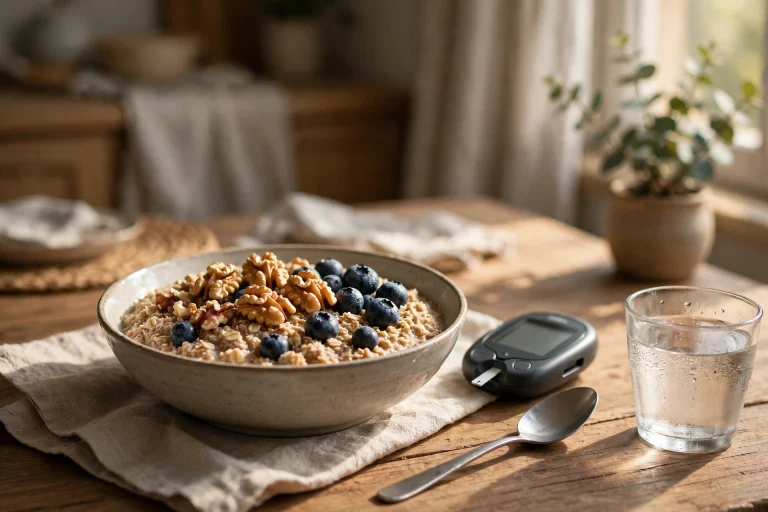
Everyone’s overnight blood sugar pattern is different, and the only way to know for certain whether you’re dealing with the Dawn Phenomenon, the Somogyi Effect, or something else is to actually check — either with a continuous glucose monitor or by testing at a couple of points overnight for a few days. Bring those readings to your healthcare provider, since the right adjustment depends on which pattern you’re actually experiencing.
Supporting Stable Blood Sugar Beyond Snacking
One supplement option, stated plainly
The supplement we link to on this site is Gluco6, a daily blood-sugar-support capsule formula. It is not a cure, it does not replace your medication, and no supplement can control overnight blood sugar on its own — the snack habits above do the real work.
What it costs (official page, checked Nov 19, 2026): 2 bottles are $69 a bottle — $138 total. 3 bottles are $49 a bottle — $147 total, with free shipping. 6 bottles are $39 a bottle — $234 total, with free shipping. Every order is a one-time payment — no subscription. It is covered by a 60-day money-back guarantee, so if it does nothing for you, you can ask for your money back.
Skip it if you are pregnant, under 18, or already take blood-sugar medication and have not talked to your doctor first — combining the two can push blood sugar too low.
Check the current price and guarantee on the official Gluco6 page here
Who Gluco6 suits — and who should skip it
It suits adults with type 2 diabetes or prediabetes who already manage food and movement and want extra support alongside their doctor’s plan.
Skip it if you are expecting it to replace medication, if you are pregnant or nursing, or if your doctor says no.
Honest pros and cons
Pros: Clear bundle pricing, and bigger bundles lower the per-bottle cost; a 60-day money-back guarantee; a simple daily routine.
Cons: Not cheap; it is a supplement, not a medicine, and does not replace prescribed treatment; results vary; talk to your doctor first, especially if you take diabetes medication.
The Bottom Line
A thoughtful bedtime snack — one that pairs protein with a small amount of complex carbohydrate — can genuinely help smooth out the overnight blood sugar swings that so many people with Type 2 diabetes experience. Pay attention to your own morning readings, experiment with a few of the options above, and don’t hesitate to loop in your healthcare team if your numbers stay unpredictable despite consistent snacking habits.
We only recommend products we believe provide genuine value. This content is for informational purposes only and is not medical advice. Always consult your healthcare provider before making changes to your diabetes management.

2 Comments