Can Dehydration Raise Blood Sugar? The Two-Way Loop Explained
You check your blood sugar and the number is higher than you expected. You ate the same breakfast as yesterday. You took your medication. So why is the reading up?
One cause many people overlook is simple: water. Or rather, not enough of it.
So, can dehydration raise blood sugar? Yes, it can. And with diabetes, the problem runs in both directions — low water raises your readings, and high readings drain more water out of you. This article explains that loop in plain words, the signs to watch for, and what to do about it.
The Short Answer: Less Water, Stronger Sugar
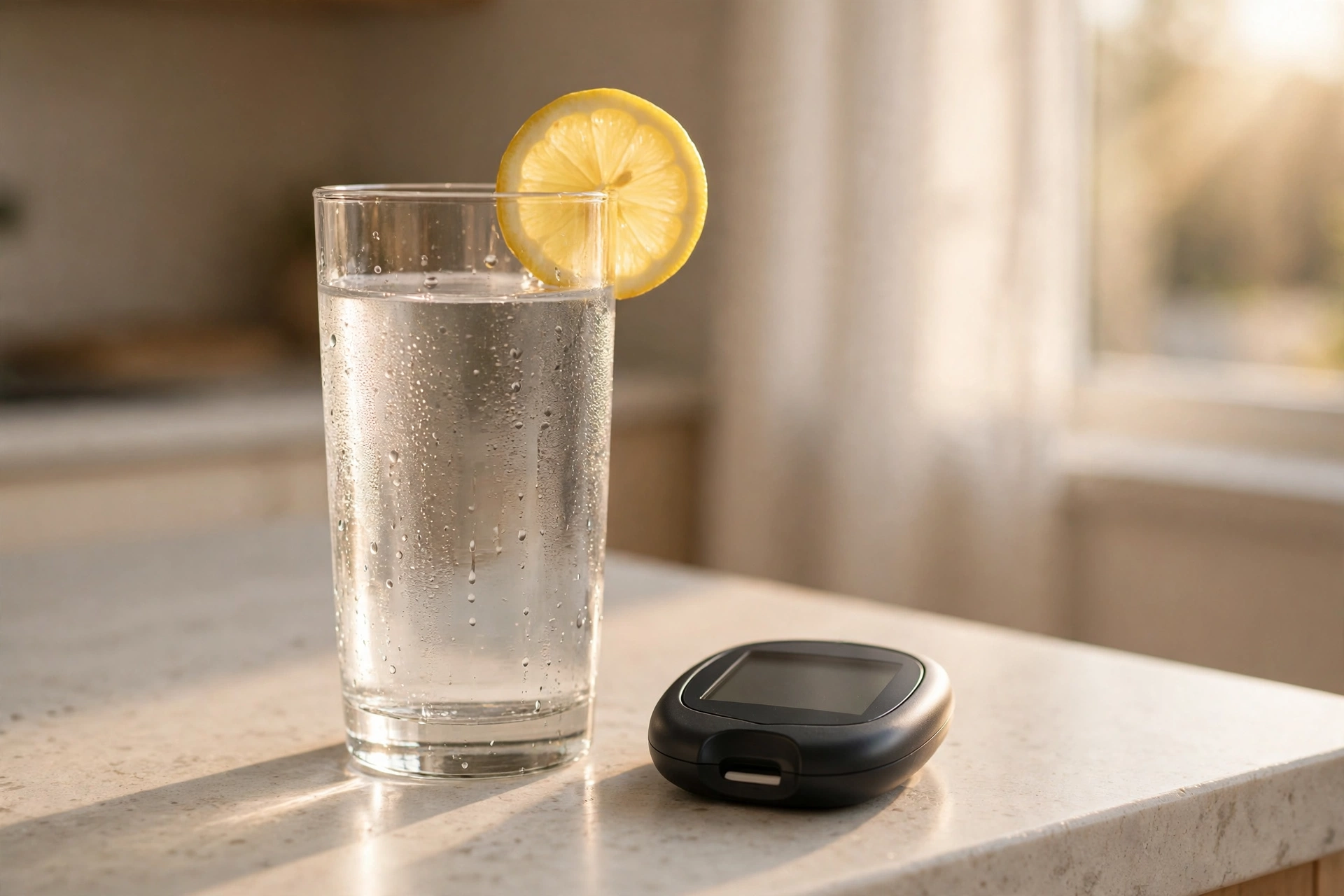
Your blood is mostly water. Dissolved in that water is glucose — your blood sugar.
Think of it like a glass of juice made from concentrate. If you mix the concentrate with a full glass of water, the drink tastes mild. If you use the same concentrate but only half a glass of water, every sip tastes much stronger. The amount of concentrate did not change. The water did.
Your blood works the same way. When your body is low on water, there is less fluid in your blood, so the glucose in it becomes more concentrated. A meter reading is a measurement of that concentration. Less water, higher concentration, higher number — even if the total amount of sugar in your body barely changed.
This is not a theory. Health authorities, including the CDC, note that being dehydrated can make blood sugar readings run higher for exactly this reason.
Dehydration is not the biggest cause of high readings — food, missed medication, illness, and stress all matter, and you can read more about those in our guide to what causes high blood sugar. But dehydration is one of the easiest causes to fix, and one of the easiest to miss.
The Two-Way Loop: Why It Feeds Itself
Here is where diabetes makes this trickier. The connection runs both ways.
Direction one: dehydration raises blood sugar. As explained above, less water in your blood means the glucose is more concentrated, so readings climb.
Direction two: high blood sugar dehydrates you. When blood sugar stays high, your kidneys work overtime to flush the extra glucose out. They pull water from your body to do it, and that water leaves as urine. That is why one of the classic signs of high blood sugar is needing to urinate much more often than usual.
Put the two together and you get a loop:
- You get a little dehydrated — a hot day, a busy afternoon, not enough drinks.
- Your blood sugar reading rises because the glucose is more concentrated.
- The higher sugar makes your kidneys pull more water out, and you urinate more.
- You lose even more water, so you become more dehydrated.
- The readings climb again.
Left alone, the loop can keep tightening. The good news is that it is also easy to interrupt — often with nothing more complicated than drinking water steadily through the day. The rest of this article covers the signs, the situations that raise the risk, and when the loop becomes a medical problem instead of a home fix.
Signs of Dehydration to Watch For
Dehydration often starts quietly. Many people wait until they feel very thirsty before they drink, but thirst is a late signal, not an early one. Watch for these signs instead:
- Thirst and a dry or sticky mouth
- Dark yellow urine — pale yellow is the goal; dark and strong-smelling means you are behind on fluids
- Urinating much less often than usual (or, confusingly, much more often if high blood sugar is driving it)
- Tiredness or low energy that does not match your day
- Dizziness or light-headedness, especially when standing up
- Headache
- Dry skin
One practical trick: check the color of your urine through the day. It is a free, built-in hydration gauge. If it stays dark for hours, you need fluids.
Also remember that dehydration can sit behind other surprises. If your numbers jump on a day when you were out in the heat, working hard, or simply forgot to drink, water may be part of the story. Checking at consistent times helps you spot patterns like this — our guide to the best time to check blood sugar explains how to time your checks so the readings actually tell you something.
When Dehydration Is Most Likely to Strike
Some situations drain your fluids faster than others. These are the times to be extra deliberate about drinking:
Hot weather
Heat makes you sweat, and sweat is water leaving the body. A long afternoon outside in summer — gardening, walking, working — can dehydrate you faster than you realize, because the sweat evaporates and you may not notice how much you have lost.
Exercise
Moving your body costs water too. Exercise is one of the best tools for blood sugar control — a walk after eating, for example, is proven to help, as we explain in our article on walking after meals for blood sugar. Just bring water along and drink before, during, and after, especially in warm weather.
Illness
Sickness is the big one. Vomiting, diarrhea, and fever each drain fluids fast, sometimes all at once. Illness also tends to push blood sugar up on its own, which means the two-way loop gets pressure from both sides at the same time. Sick days are when dehydration turns dangerous for people with diabetes, and they deserve a plan, covered below.
Everyday misses
Sometimes there is no dramatic cause. A long drive. A busy shift. A day of errands where the water bottle stayed in the car. Older adults also tend to feel thirst less strongly, so “I never felt thirsty” is not proof you drank enough.
Stress, too
It is also worth knowing that dehydration is not the only hidden driver of a surprise high reading. Stress hormones can push blood sugar up as well — see our article on can stress raise blood sugar if your numbers spike on hard days even when you eat carefully.
How Much Can Dehydration Move a Reading?
Honestly and plainly: it can nudge a reading up noticeably, but it is rarely the whole story.
Dehydration will not turn a well-controlled day into a crisis by itself. What it does is add points on top of everything else — a meal that would normally read fine reads higher, a borderline day tips over the line, and a confusing number appears that makes you doubt your food or your medication when the real culprit was an empty water bottle.
So if you see an unexpected high, do not panic and do not double up on medication to chase it. Drink water, wait, and recheck later. If the number settles as you rehydrate, you have found your answer — and a pattern worth remembering.
What to Do: Simple Habits That Break the Loop
None of this requires special products. It is mostly about not letting yourself run dry in the first place.
Drink steadily through the day. Small amounts often beat a huge amount all at once. Keep water where you can see it — on the counter, in the car, next to your chair. Visibility is half the habit.
Drink more when the day demands it. Heat, exercise, physical work, and travel all call for extra water. Do not wait for strong thirst.
Go easy on drinks that work against you. Sugary drinks raise blood sugar directly. Alcohol and large amounts of caffeine can increase urination. Water is the default; it does the job without side effects.
Have a sick-day plan before you need it. When you are ill:
- Sip fluids regularly, even if you do not feel like eating.
- Check your blood sugar more often than usual.
- If you cannot keep fluids down, that is a warning sign, not a wait-and-see situation (see below).
- Know in advance what your doctor wants you to do about food, fluids, and medication on sick days — ask at a regular appointment, while you are well, and write it down.
Recheck before you react. An unexplained high reading plus signs of dehydration is a reason to drink water and check again in a while, not a reason to make big medication changes on your own.
When It Is Serious: Get Medical Care Promptly
Dehydration with diabetes is usually a home fix. Sometimes it is not. The loop described in this article, left running during an illness, can lead to severe dehydration and dangerously high blood sugar — a genuine emergency.
Seek medical care promptly if you notice:
- You cannot keep fluids down (repeated vomiting)
- Very high blood sugar readings that do not come down, especially while you are ill
- Signs of severe dehydration: extreme thirst, very dry mouth, little or no urination, rapid heartbeat, feeling faint
- Confusion, unusual drowsiness, or trouble staying awake
- Rapid or deep breathing, or breath that smells fruity or sweet
- Diarrhea or fever that goes on for more than a day or so without improvement
Do not try to tough these out at home. Call your doctor, an urgent care line, or emergency services. This is exactly the situation where early help prevents a hospital stay.
And if milder versions keep happening — regular unexplained highs on hot days, frequent dark urine, readings that settle only after you drink a lot — bring it up with your doctor or diabetes care team. Your fluid needs, your medication, and other health conditions (like kidney or heart issues) all interact, and fluid advice is not one-size-fits-all. Some people are told to limit fluids for other conditions; if that is you, your doctor’s instruction comes first, always.
The Bottom Line
Can dehydration raise blood sugar? Yes. Less water in your blood makes the glucose more concentrated, so readings climb. And because high blood sugar makes your body pull out more water, the two problems feed each other in a loop.
Breaking the loop is unglamorous and effective: drink water steadily, drink more in heat and illness, watch your urine color, and treat sick days with respect. And when the serious signs show up, get medical care promptly rather than waiting.
It will not fix every high reading — food, medication, illness, and stress still matter most. But of all the causes of a surprise high number, this is the one you can solve with a glass of water.
Frequently Asked Questions
Can dehydration cause a false high blood sugar reading?
It is not exactly “false” — the meter is measuring your blood correctly. The glucose really is more concentrated because there is less water in your blood. But the number does not reflect extra sugar from food; it reflects missing water. That is why drinking fluids and rechecking later can show a lower reading without any other change.
How quickly can dehydration raise blood sugar?
It can happen within a single day. A hot afternoon, a long workout, or a few hours of vomiting or diarrhea can be enough to concentrate your blood and push readings up. It does not take weeks of neglect.
Does drinking water lower blood sugar right away?
Drinking water helps by restoring the fluid balance, so the concentration effect eases as you rehydrate. It is a gentle, steady effect — not an instant drop, and not a substitute for medication when you need it. Think of it as removing an extra cause, not as a treatment on its own.
How much water should a person with diabetes drink?
There is no single number that fits everyone. Needs vary with body size, weather, activity, medication, and other health conditions. A practical guide is to drink steadily through the day, aim for pale yellow urine, and drink more in heat, exercise, and illness. If you have kidney or heart conditions, or you have been told to limit fluids, ask your doctor what amount is right for you.
Can dehydration happen even if I am urinating a lot?
Yes — and with diabetes it is common. High blood sugar makes your kidneys pull water out of your body and send it to your bladder, so frequent urination can actually be a sign that you are losing fluids, not that you have plenty. Urine color and how you feel (thirst, dry mouth, dizziness) are better guides than urine frequency alone.