Best Natural Supplements for Type 2 Diabetes: What the Science Actually Says
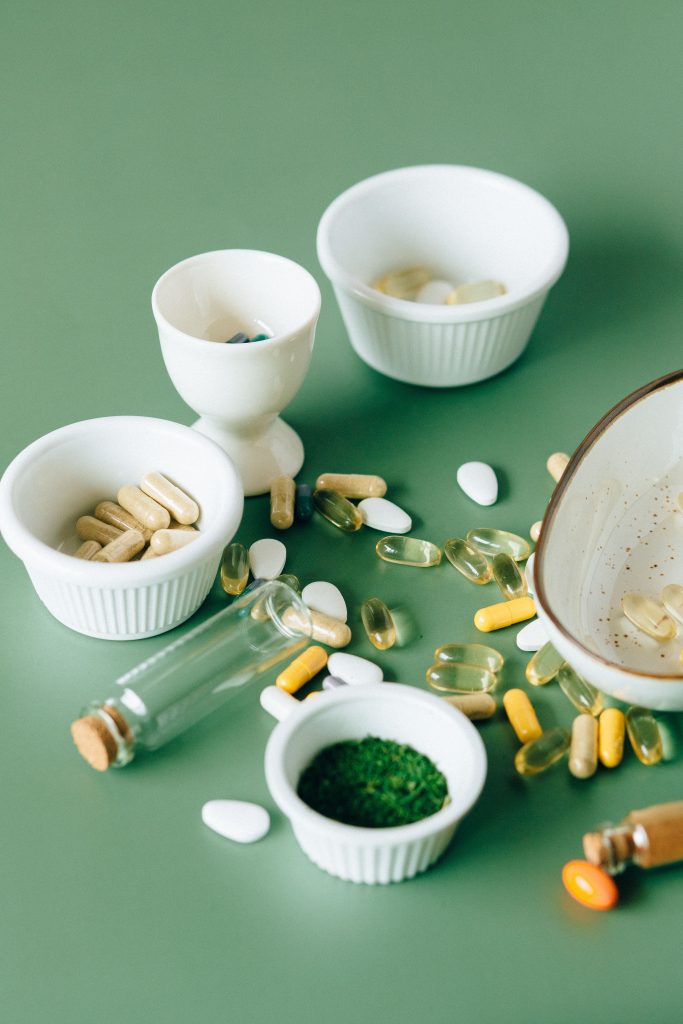
If you have Type 2 diabetes or prediabetes, you have probably noticed just how much conflicting advice is out there about supplements. Some sources say they are useless. Others promise they can replace medication entirely. The truth sits in the middle — and it matters, because your health decisions deserve real answers, not hype.
The good news is that several natural supplements do have genuine clinical research behind them. Not one of them is a miracle cure, and none should replace medication or medical supervision. But when used alongside a healthy diet and regular activity, certain ingredients have shown real, measurable effects on blood sugar and A1C levels in actual clinical trials.
This guide walks through the natural supplements with the strongest evidence behind them, what the research actually shows, and how to think about adding targeted support to your routine.
1. Berberine
Berberine is one of the most researched natural compounds for blood sugar management, and the results are genuinely impressive. In one clinical study, adults with newly diagnosed Type 2 diabetes who took berberine saw their A1C drop from 9.5% to 7.5% over three months — a reduction comparable to metformin, one of the most commonly prescribed diabetes medications.
Most research uses doses between 0.9 and 2.4 grams per day, split into two or three smaller doses. Berberine appears to work even better when combined with metformin rather than as a replacement for it, so if you take diabetes medication, talk to your doctor before adding berberine to your routine, since it can intensify the blood-sugar-lowering effect.
2. Cinnamon
Cinnamon is more than a kitchen spice — clinical research shows it can meaningfully lower fasting blood sugar in people with Type 2 diabetes. A comprehensive meta-analysis of multiple studies confirmed cinnamon supplementation reduces fasting glucose levels, and one randomized trial combining cinnamon with berberine showed reductions in fasting blood sugar, A1C, and LDL cholesterol after just 12 weeks.
Ceylon cinnamon is generally preferred over the more common Cassia variety, since Cassia contains higher levels of coumarin, a compound that can affect liver health at high doses over time.
3. Chromium
Chromium is a trace mineral involved in how your body uses insulin. The research here is genuinely mixed — some studies show modest improvements in glucose metabolism, while others show little effect compared to placebo. Chromium appears most useful for people who have an actual chromium deficiency, so it may not move the needle much if your levels are already sufficient.
Clinical studies typically use chromium picolinate starting around 200 mcg per day.
4. Magnesium
Magnesium plays a direct role in insulin sensitivity, and low magnesium levels are common in people with Type 2 diabetes. Large studies involving more than a million participants found that adequate dietary magnesium is associated with a meaningfully lower risk of developing Type 2 diabetes in the first place.
If you already eat plenty of leafy greens, nuts, and whole grains, you may be getting enough magnesium through food. Supplementation is generally most beneficial for people who are deficient.
5. Alpha Lipoic Acid
Alpha lipoic acid is a powerful antioxidant most often studied for its effects on diabetic nerve pain (neuropathy) rather than blood sugar itself. The evidence on nerve pain is mixed but generally positive, while its direct effect on blood sugar and cholesterol has not consistently outperformed placebo in larger studies.
This one is worth discussing with your doctor specifically if nerve pain or tingling is a concern alongside your blood sugar management.
Why a Combination Formula Can Make Sense
Reading through the research, one pattern becomes clear: no single ingredient is a magic bullet, but several ingredients each address blood sugar regulation from a different angle — insulin sensitivity, glucose absorption, and metabolic support. This is exactly why combination formulas exist: rather than buying five separate bottles and guessing at doses, a well-formulated blood sugar support supplement combines several of these evidence-backed ingredients into one daily routine.
After reviewing the research and the supplement landscape, we found Gluco6 to be a comprehensive option that brings several of these science-backed ingredients together in a single formula, designed to support healthy blood sugar levels alongside diet and lifestyle changes.
👉 Click Here To See Our Top Recommended Natural Blood Sugar Support Supplement
The Bottom Line
Natural supplements are not a replacement for prescribed diabetes medication, and you should never adjust your treatment plan without your doctor’s guidance. But the research is clear that certain ingredients — particularly berberine and cinnamon — have real, measurable effects on blood sugar when used consistently alongside a healthy diet and active lifestyle. Talk to your healthcare provider before starting any new supplement, especially if you currently take medication for diabetes, blood pressure, or blood thinning.
Disclaimer: This post contains affiliate links. If you purchase through our link we may earn a small commission at no extra cost to you. We only recommend products we believe provide genuine value. This content is for informational purposes only and is not medical advice. Always consult your helthcare provider before making changes to your diabetes management.