Over-the-Counter CGMs: What They Are and Who Needs One
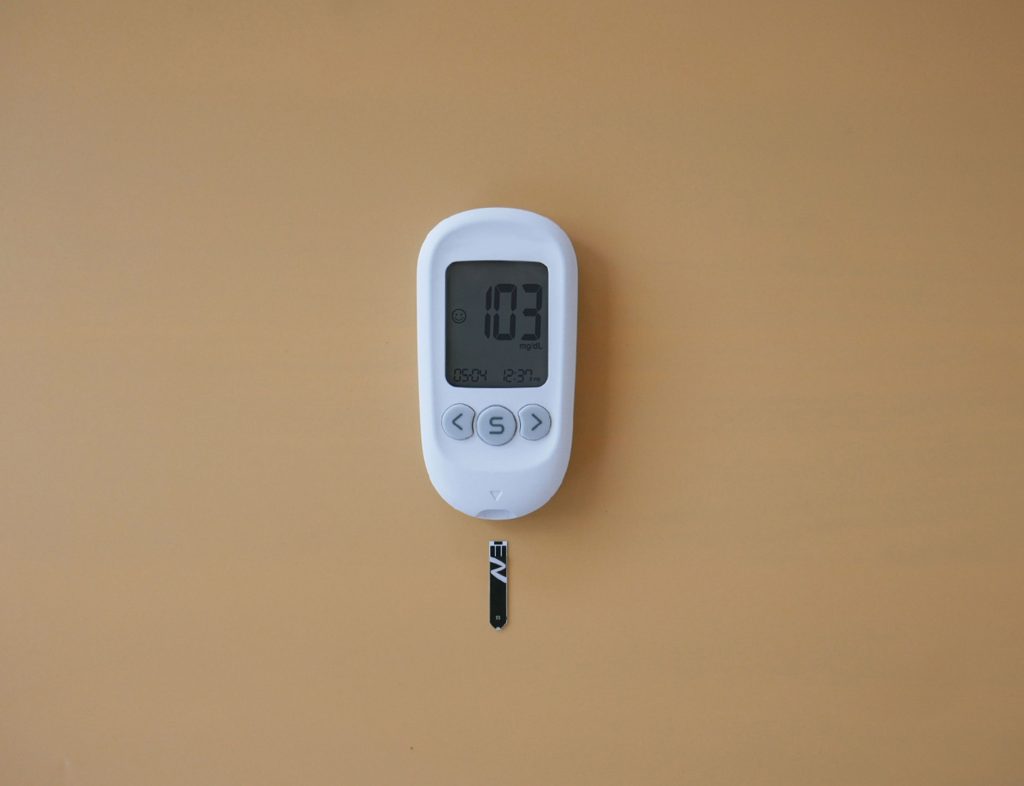
If you’ve ever seen a small round sensor on the back of someone’s arm and wondered what it was, there’s a good chance it was a continuous glucose monitor — and as of 2026, you can now buy one without a prescription at all.
For years, continuous glucose monitors (CGMs) were exclusively available through a doctor, typically reserved for people with Type 1 diabetes on insulin therapy. That changed when the FDA cleared the first over-the-counter CGM, opening the door for a much wider range of people to track their glucose in real time.
What Is a CGM, Exactly?
A continuous glucose monitor is a small wearable device — a sensor about the size of a coin, typically worn on the back of the upper arm — that measures your glucose levels every few minutes, all day and night, without finger pricks. The sensor connects to an app on your phone, giving you a real-time picture of how your blood sugar responds to meals, exercise, sleep, and stress, rather than just a single snapshot from a fingerstick test.
What Changed: Over-the-Counter Availability
In 2026, the FDA cleared Dexcom’s Stelo Glucose Biosensor System as the first over-the-counter CGM, quickly followed by Abbott’s Lingo and Libre Rio. This means you can now purchase a CGM directly, without needing a doctor’s prescription — a significant shift from how these devices have worked for the past two decades. Below are hardware medical devices worth considering.
Current OTC options and pricing:
- Stelo (Dexcom): Roughly $83-89/month on subscription
- Lingo (Abbott): Around $49 for a two-week starter pack, or $83-89/month ongoing
Who These Are Actually Designed For
This is the important distinction: over-the-counter CGMs are specifically cleared for adults not using insulin — meaning they’re designed for people with prediabetes, Type 2 diabetes managed through medication or lifestyle alone, or people without diabetes who simply want insight into their metabolic health.
Good candidates for an OTC CGM include:
- People with prediabetes wanting to understand how specific foods and habits affect their blood sugar
- People with Type 2 diabetes managed without insulin, looking for more consistent data than periodic fingersticks provide
- Anyone interested in personalized nutrition insights — seeing exactly how their body responds to different meals
Who should NOT rely on an OTC CGM:
- Anyone using insulin, particularly those at risk of hypoglycemia — this is a genuine safety limitation, not just fine print
- People who need a device with urgent low/high blood sugar alarms — OTC versions typically lack the alert features of prescription CGMs
Key Limitations Worth Knowing
No emergency alarms. Unlike prescription CGMs, over-the-counter versions generally don’t sound urgent alerts for dangerously high or low blood sugar. This is a meaningful safety difference, not a minor feature gap.
Not covered by insurance. Since OTC CGMs are marketed as wellness/tracking tools rather than medical treatment devices, they’re typically not covered by standard health insurance — though many are FSA/HSA eligible, which can help offset the cost.
A learning curve on interpretation. Because CGMs measure glucose in the fluid between cells (interstitial fluid) rather than directly in blood, readings can lag slightly behind an actual blood glucose level, and there’s genuinely a learning curve in understanding what normal day-to-day fluctuation looks like versus something worth real concern.
Should You Get One?
If you’re managing Type 2 diabetes or prediabetes without insulin and want more consistent, real-time insight than periodic fingersticks provide, an OTC CGM can be a genuinely useful tool — many users find it changes how they think about food and activity almost immediately, simply from seeing the direct cause-and-effect in real time.
If you don’t have diabetes but are curious about your metabolic health, it can still offer useful insight, though it’s worth going in with realistic expectations: normal, healthy people also experience blood sugar fluctuation throughout the day, and without medical guidance to interpret the data, it’s easy to over-worry about entirely normal variation.
The Bottom Line
Over-the-counter CGMs represent a genuine shift in accessibility for glucose monitoring, but they’re not a one-size-fits-all solution. If you use insulin or have a history of severe blood sugar swings, a prescription CGM with proper alarm features remains the safer, more appropriate choice — talk to your doctor about that option instead. For everyone else managing their health without insulin, an OTC CGM is worth genuine consideration as a tool for better understanding your own body’s patterns.
This article is for informational purposes only and is not medical advice. Always consult your healthcare provider before starting to use any glucose monitoring device, especially if you take insulin or other diabetes medications.